

Party Wall Surveyors Clacton-on-Sea
Party wall advice for Clacton-on-Sea homes, from seafront flats and older resort buildings to bungalows and compact residential plots.
Our team of skilled party wall surveyors is dedicated to providing expert assistance tailored to your needs
Planning work to your home in Clacton-on-Sea? Meon Surveyors helps local homeowners, Building Owners and Adjoining Owners understand whether the Party Wall etc. Act 1996 applies before works begin.
Clacton-on-Sea is contains mostly coastal property, seafront and town-centre buildings, flats and converted spaces, bungalows, chalets, and compact plots where neighbours can be close even when homes are not terraced. Party wall matters may arise during rear extensions, roof alterations, structural changes within flats, boundary works, or excavation close to neighbouring buildings.
Tendring District Council identifies conservation areas as places of special architectural or historic interest, with extra controls over the merits of development, demolition and trees.
Clacton’s seafront character gives the page a real local basis, but party wall duties remain separate: the key question is whether the proposed works affect a shared structure, boundary or nearby excavation distance.
Need advice before works begin? Contact Meon Surveyors for free, no-obligation guidance from an experienced party wall surveyor.
When the Party Wall Act may apply in Clacton-on-Sea
In Clacton-on-Sea, the Party Wall Act can be relevant to both houses and flats. A bungalow extension may involve foundations close to a neighbour’s property. A flat refurbishment may involve floors, ceilings or separating walls that are party structures. A seafront or town-centre building may have older construction where structural changes need a more careful approach.
The Act may apply where works are carried out directly to an existing party wall or party structure, where a new wall is built at or astride the boundary, or where excavation is proposed within the relevant three-metre or six-metre distances. The project may look modest, but if it affects a neighbouring structure, notice may still be needed.
As a general guide, Party Structure Notices usually require two months’ notice, while Line of Junction and excavation notices usually require one month. Adjoining owners are normally expected to respond within 14 days. Exact requirements depend on the proposed works.
Unsure of whether you need a party wall surveyor? Use our free tool, or get in touch with us today for a no-obligation chat.
Common Clacton-on-Sea projects that may need party wall input
Bungalow and chalet extensions: Single-storey homes can still need notice where foundations are close to a neighbour’s house, garage or extension.
Flat refurbishments and converted buildings: Floors, ceilings and separating walls can be party structures, especially in converted or mixed-use buildings.
Seafront and town-centre alterations: Older resort buildings and conservation-sensitive areas can make neighbour communication and structural checks more important.
Boundary walls on compact plots: Garden walls and small side extensions can raise line-of-junction issues where plots sit close together.
Roof works and loft-style alterations: Where structural support is taken from a shared wall or party structure, notice may be needed.
For Building Owners in Clacton-on-Sea
If you are planning works to a Clacton property, the first practical step is to check whether your project affects a neighbour before works start. This is especially important for flats, attached buildings, compact plots and extensions with new foundations.
Meon can help identify whether notice is needed, prepare the correct documents and manage the process if your neighbour dissents or does not reply. For a quick starting point, use the free online quote tool or contact Meon for a no-obligation chat about the works.
For Adjoining Owners in Clacton-on-Sea
If you own or live next to a property where work is planned, you may receive a party wall notice because the works could affect your building, even if the builder is not physically working on your side. This can happen with excavation, shared walls, roofs, floors or boundary walls.
Meon can review the notice and explain what it means in plain English. For flats and converted buildings, this can be particularly helpful because it may not be obvious which walls or floors are party structures or which owners need to be notified.
Coastal property and party wall checks in Clacton-on-Sea
Clacton’s coastal setting means property works can range from straightforward bungalow extensions to more complex refurbishments of flats, guest houses or older seafront buildings. The Party Wall Act does not apply because a property is coastal; it applies because of the relationship between the proposed works and neighbouring structures.
That distinction matters. A modern bungalow extension may be notifiable because of excavation distance. A flat alteration may be notifiable because it affects a party structure. A seafront refurbishment may need planning or conservation checks as well as party wall advice.
Nearby areas we also cover
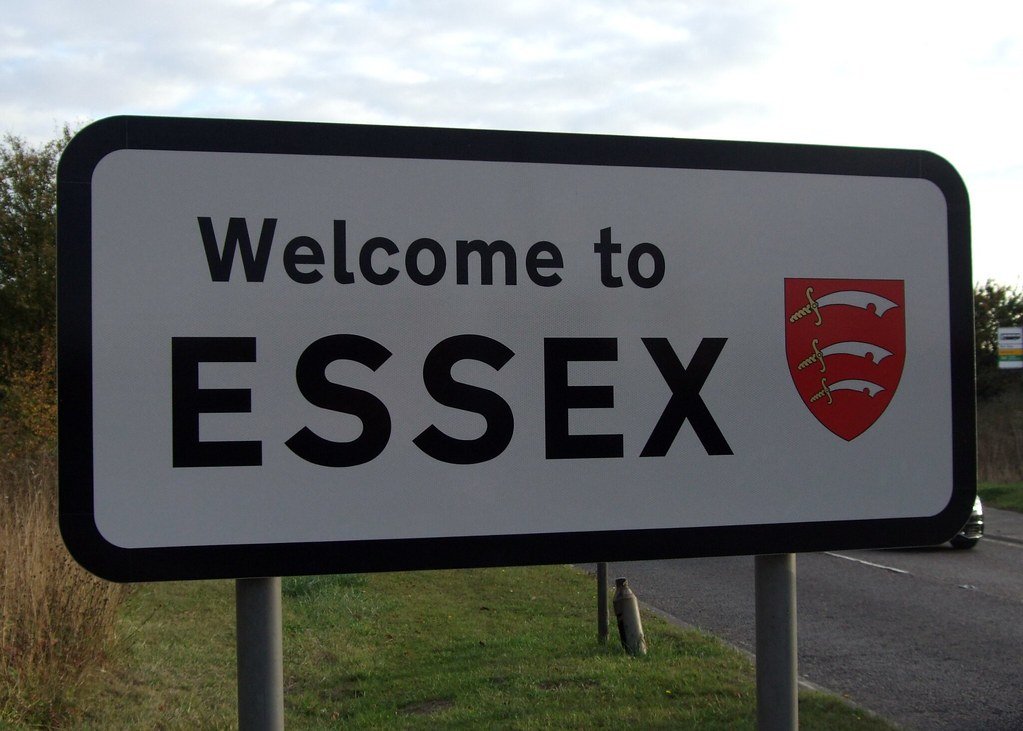
Meon Surveyors are primarily based in the heart of Essex, local to Clacton, and other major areas of Essex, such as Harwich, Chelmsford, Frinton-on-Sea and Colchester.
You can find also find the key projects we’ve undertaken throughout the country on our projects page.
FAQs about party wall surveyors in Clacton-on-Sea
-
They can if the foundations are close to a neighbouring building or if a wall is being built at or near the boundary.
-
Yes, potentially. Floors, ceilings and separating walls can be party structures, especially where buildings have been converted into flats.
-
No. Conservation controls and party wall duties are separate. A project can require planning or heritage checks and still need a party wall notice.
-
Yes if the wall is masonry and sits at the boundary, or if the works could affect your property. Timber fences are usually treated differently.
-
Yes. Party wall duties can apply to owners of rented homes, flats and investment properties as well as owner-occupiers.
-
They may need to be notified if they qualify as an adjoining owner. Leasehold and freehold arrangements should be checked carefully.
-
Only where the adjoining owner agrees or the Act’s process has been properly resolved. Otherwise, the statutory notice periods should be respected.
-
Drawings, a short description of the works and the property address are usually a good starting point for a free, no-obligation estimate.
Speak to a party wall surveyor in Clacton-on-Sea
If you are planning works to your home, or you have received a party wall notice from a neighbour, Meon Surveyors can help you understand the next step.
We provide practical advice for Building Owners and Adjoining Owners, helping keep the party wall process clear, proportionate and properly managed.
Contact Meon Surveyors today for free, no-obligation party wall advice, or get a free quote immediately.